Rays Vitamin D Calculator
Get your personal Vitamin D plan for the day. Enter your details and instantly discover your exact safe sun exposure times, optimal Vitamin D windows, and daily targets. Download the Rays app to track your progress automatically, adapt to your schedule, and sync with Apple Health.
Ready to Calculate
Fill in your information on the left to see your optimal sun exposure windows
How Your Vitamin D Health Engine Works
The Science Behind Personalized Sun Recommendations
Our vitamin D calculator uses advanced research to provide personalized recommendations that adapt to your unique biology, real-time weather conditions, and precise solar geometry. Here's how the science works in plain language.
The UVB Science Revolution: Why Solar Angles Matter
The Critical Discovery: UV Index Does Not Equal Vitamin D Production
Most apps use UV Index directly for vitamin D calculations, but this creates significant overestimation errors. Here's why our system is different:
The Problem with UV Index:
- UV Index measures total UV radiation (both UVA and UVB combined)
- UVA represents 85-95% of total UV radiation
- Only UVB radiation (280-315nm) creates vitamin D in your skin
- UVB fraction varies dramatically with sun angle throughout the day
Our System's Solution: We calculate precise sun angles for every hour, determine what percentage of UV Index is actually UVB, and account for atmospheric physics to prevent overestimation during morning and evening hours.
How Solar Elevation Affects Your Vitamin D
High Sun (60°+)
11 AM - 1 PM • 12-15% UVB fraction • Maximum vitamin D production
Medium Sun (30-60°)
10-11 AM, 1-3 PM • 7-12% UVB fraction • Good vitamin D production
Low Sun (15-30°)
9-10 AM, 3-4 PM • 4-7% UVB fraction • Reduced vitamin D production
Very Low Sun (<15°)
Early morning, late afternoon • 1-4% UVB fraction • Minimal vitamin D production
How Your Skin Makes Vitamin D
When UV-B rays from sunlight hit your skin, something remarkable happens:
- The Trigger: UV-B light (wavelength 280-315 nanometers) penetrates your skin and hits a cholesterol-based molecule called 7-dehydrocholesterol
- The Transformation: This UV-B energy converts the molecule into pre-vitamin D₃, which naturally rearranges into vitamin D₃
- The Processing: Your liver and kidneys convert vitamin D₃ into the active hormone that benefits your health
- Natural Safety: Your skin cannot "overdose" on vitamin D from sun exposure. Excess vitamin D₃ gets naturally broken down by your body
Critical Point: Only UVB radiation (not UVA) can trigger this process, which is why solar angle correction is essential for accurate calculations.
Your Personal Synthesis Profile
Every person's vitamin D production is unique. Here's what our system considers:
Skin Type (Fitzpatrick Scale)
Research by Dr. Thomas Fitzpatrick and calibrated to Dr. Michael Holick's vitamin D research shows that skin type makes a difference:
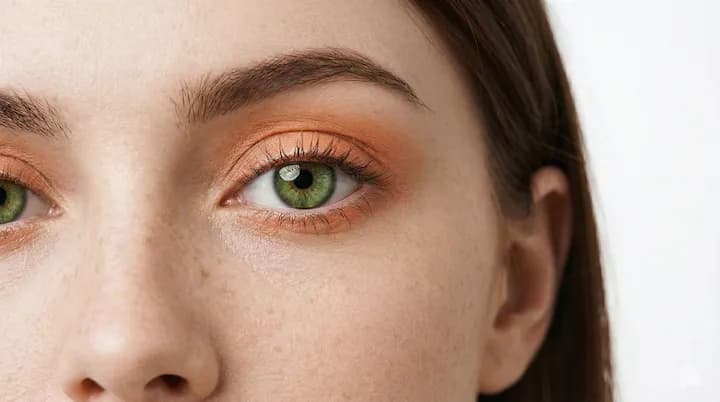
Type I - Very Fair
Always burns, never tans
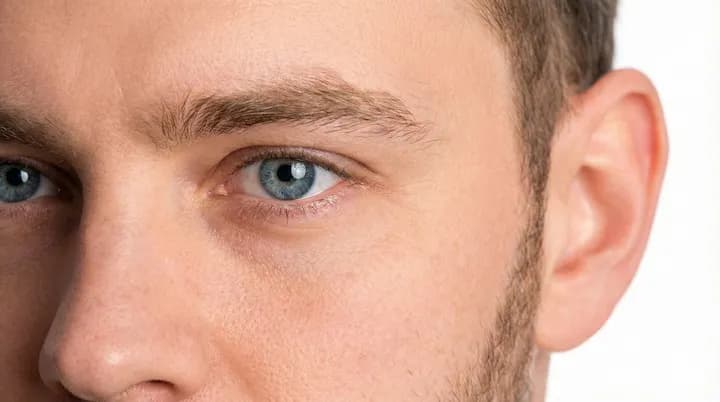
Type II - Fair
Usually burns, tans minimally
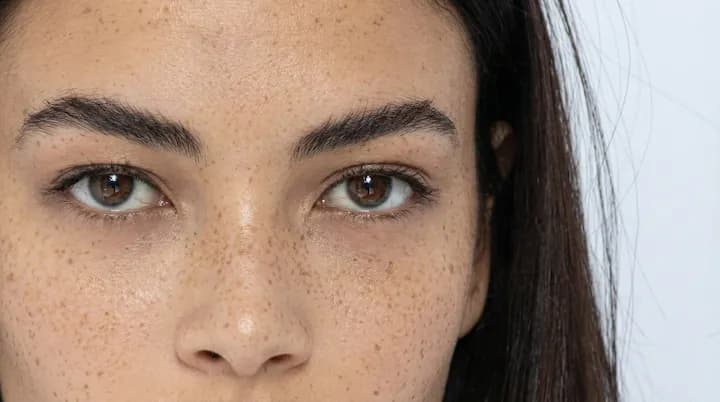
Type III - Medium
Sometimes burns, tans gradually
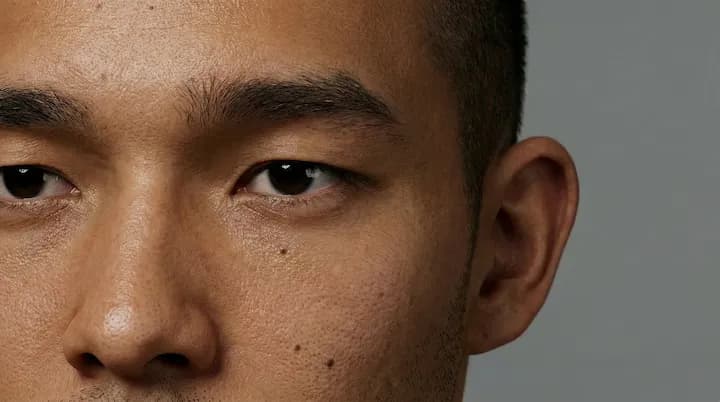
Type IV - Olive
Rarely burns, tans easily

Type V - Brown
Very rarely burns, tans darkly
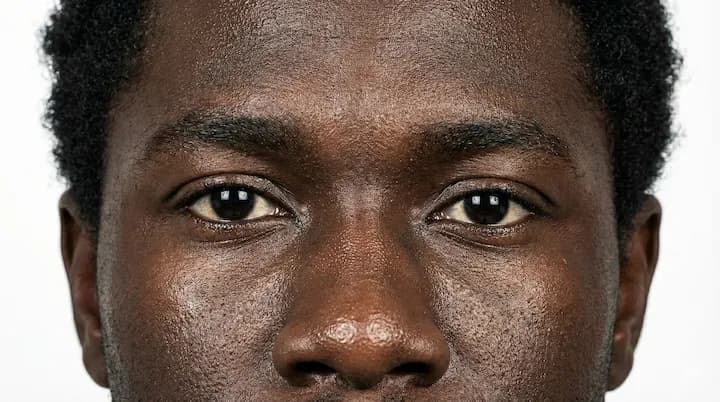
Type VI - Dark
Never burns, tans very darkly
Why This Matters: People with darker skin need longer sun exposure to produce the same vitamin D, but they can safely tolerate these longer exposures without burning.
Age-Related Decline
Research shows that aging reduces vitamin D production capacity:
- Under 30: Nearly full synthesis capacity (95-100%)
- 30-40: Slight decline to 88% capacity
- 40-50: Moderate decline to 78% capacity
- 50-60: Significant decline to 68% capacity
- 60-70: Major decline to 55% capacity
- Over 70: Substantial decline to 45% capacity
Real Impact: A 70-year-old needs roughly twice as much sun exposure as a 20-year-old to produce the same vitamin D.
Lifestyle and Activity Patterns
Your daily routines and activities significantly impact your vitamin D synthesis opportunities:
- Indoor workers: Office jobs, remote work, and indoor activities require strategic planning to catch optimal sun windows
- Outdoor professionals: Construction, landscaping, and outdoor jobs naturally get more exposure but need protection during peak UV hours
- Exercise routines: Morning runners versus evening gym-goers have different sun exposure patterns that affect vitamin D goals
- Weekend warriors: Irregular outdoor activity requires flexible tracking to maintain consistent vitamin D levels
- Travel patterns: Business trips, vacations, and location changes dramatically alter UV conditions and synthesis rates
Why This Matters: The Rays app automatically adapts to your lifestyle by learning your patterns, detecting when you're actually outdoors, and adjusting recommendations based on your real-world schedule. No manual logging is required.
Schedule Optimization
Timing matters more than you might think. Our system considers your schedule to maximize efficiency:
- Morning person: Early risers can catch the first effective UVB windows, but need longer exposure times due to lower solar angles
- Midday availability: Lunch breaks and midday windows offer the most efficient vitamin D production, if you can access them
- Evening routines: After-work sun exposure is often ineffective. The app may recommend waiting for better conditions or suggesting supplements
- Weekend flexibility: Free weekends allow for optimal timing when weekday schedules are restrictive
- Seasonal adjustments: Winter schedules need different strategies than summer. The app adapts automatically
Smart Recommendations: Instead of generic advice, Rays analyzes your actual schedule patterns and suggests the best times for you specifically. It might tell you to "wait until 11 AM tomorrow" when UV will be 3x more efficient, or recommend a quick 15-minute window during your lunch break when conditions are optimal.
Environmental Intelligence
UV Index Integration with UVB Correction
Our system uses real-time UV Index data and applies solar elevation correction. The same UV Index produces vastly different vitamin D depending on solar elevation:
UV 0-2: Minimal UVB production possible
UV 3-5: Good UVB synthesis when sun is high
UV 6-7: Optimal UVB production during peak solar angles
UV 8-10: High UVB production but burn risk increases
Cloud Cover Effects
Clouds affect UVB transmission differently than total UV:
- Clear skies: Full UVB potential reaches your skin
- Partly cloudy: 70-90% of UVB gets through
- Mostly cloudy: 30-70% UVB transmission
- Overcast: Only 10-30% of UVB reaches you
The Saturation Effect
Research reveals that your skin's vitamin D production plateaus after 15-30 minutes:
0-10 minutes: 100% synthesis efficiency
10-20 minutes: Gradual decline to 80% efficiency
20-30 minutes: Moderate decline to 50% efficiency
30-45 minutes: Significant decline to 20% efficiency
45+ minutes: Minimal additional benefit
Why This Matters: Our system rarely recommends extremely long exposures because science shows it's ineffective and potentially harmful.
Why We Recommend 2,000 IU Per Day as a Starting Point
Our 2,000 IU daily recommendation serves as an evidence-based starting point, grounded in research demonstrating this dosage effectively improves vitamin D levels and supports health benefits like reduced fall risk in older adults and optimal vitamin D status without adverse effects.
Rays follows the Endocrine Society Clinical Practice Guidelines, which recommend higher vitamin D levels than some government RDAs based on current scientific research for optimal health benefits. Government agencies like the FDA recommend much lower daily values (800 IU for adults), which are designed to prevent deficiency rather than achieve optimal health. These evidence-based recommendations often differ from older government guidelines, but they reflect the latest scientific consensus on vitamin D requirements for optimal health.
While 2,000 IU provides a solid foundation for most individuals, many users find that gradually increasing their daily targets to 2,500-3,000 IU yields even greater benefits, particularly for immune function, bone health, and overall well-being. Individual needs vary based on factors like age, skin type, geographic location, and current vitamin D status, which is why the Rays app allows you to adjust your target based on your personal health goals and test results. Always discuss appropriate vitamin D levels with your healthcare provider.
Why This Matters for Your Health
This level of scientific precision ensures:
- ✓No wasted time: Skip ineffective low-sun sessions
- ✓Maximum efficiency: Focus energy on high-UVB windows
- ✓Realistic expectations: Accurate synthesis estimates build sustainable habits
- ✓Safety first: Burn prevention with precise UVB calculations
- ✓Goal achievement: Actually reach your daily targets (starting at 2,000 IU, with many users progressing to 2,500-3,000 IU) through smart timing
Rays doesn't just track sun exposure. It optimizes your life around the precise science of when your body can actually make vitamin D effectively and safely.